
Shakespeare in the park
John Weisgerber
Artistic Producer and Director
First Gate Theatre Foundation
Artistic Producer and Director
First Gate Theatre Foundation
As a classically trained actor and director, with over 40 years experience in the theatre in Canada and internationally, I can still vividly remember the first time I saw Shakespeare In The Park. It was a magical experience that left a lasting impression and ultimately inspired me to create Szekspir w Parku in Warsaw in 2016.
From the beginning, my dream and mission were clear: to form a dedicated acting company and present Shakespeare’s plays in the spirit in which they were originally intended. By bringing productions of SITP that are fresh, bold, imaginative and thought provoking to Warsaw, it is my hope to not only touch young hearts with his works, but also to create a shared experience that would also educate, enlighten and inspire while entertaining all walks of Polish society.
Through Szekspir w Parku, we aim to bring Shakespeare’s timeless stories to Polish audiences, in the Polish language.
Therefore it is always my intention to provide our performances free of charge, so that everyone, friends, families and especially young people can discover the same sense of magic and wonder that first moved me.
„It is our mission to make Shakespeare In The Park the most important summertime cultural event in Warsaw. As it is in every major city around the world.”
Director's statement - season 2026
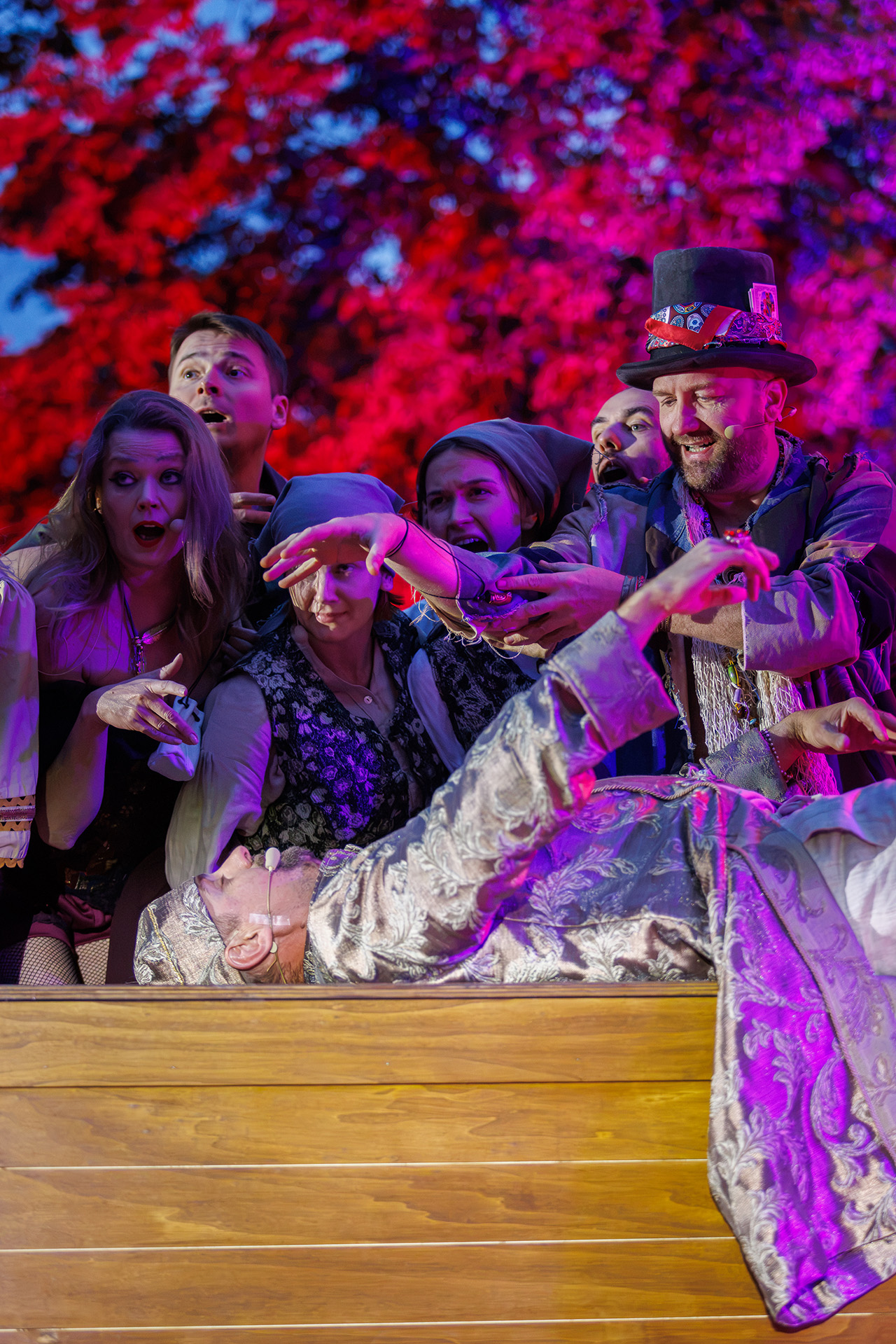
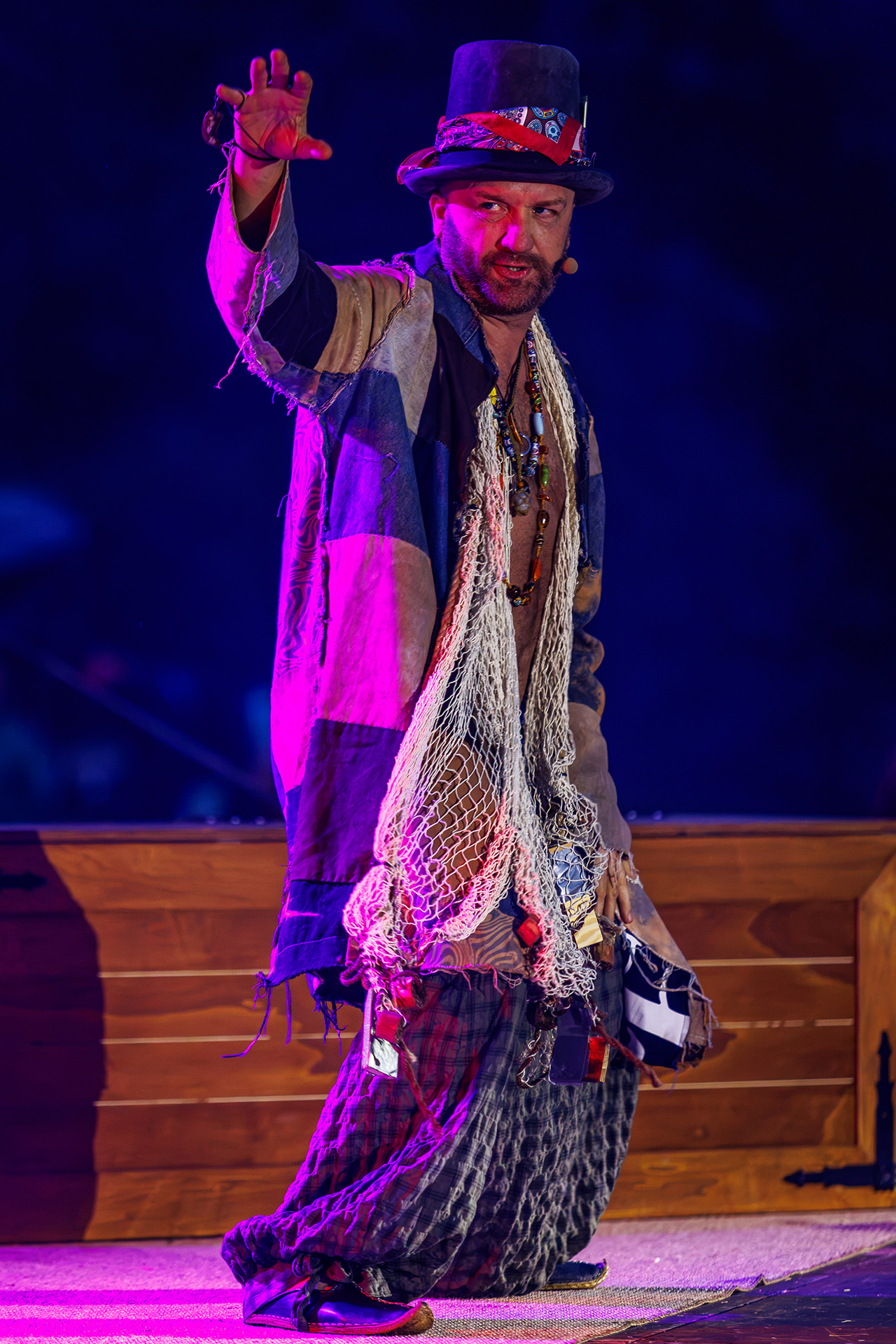
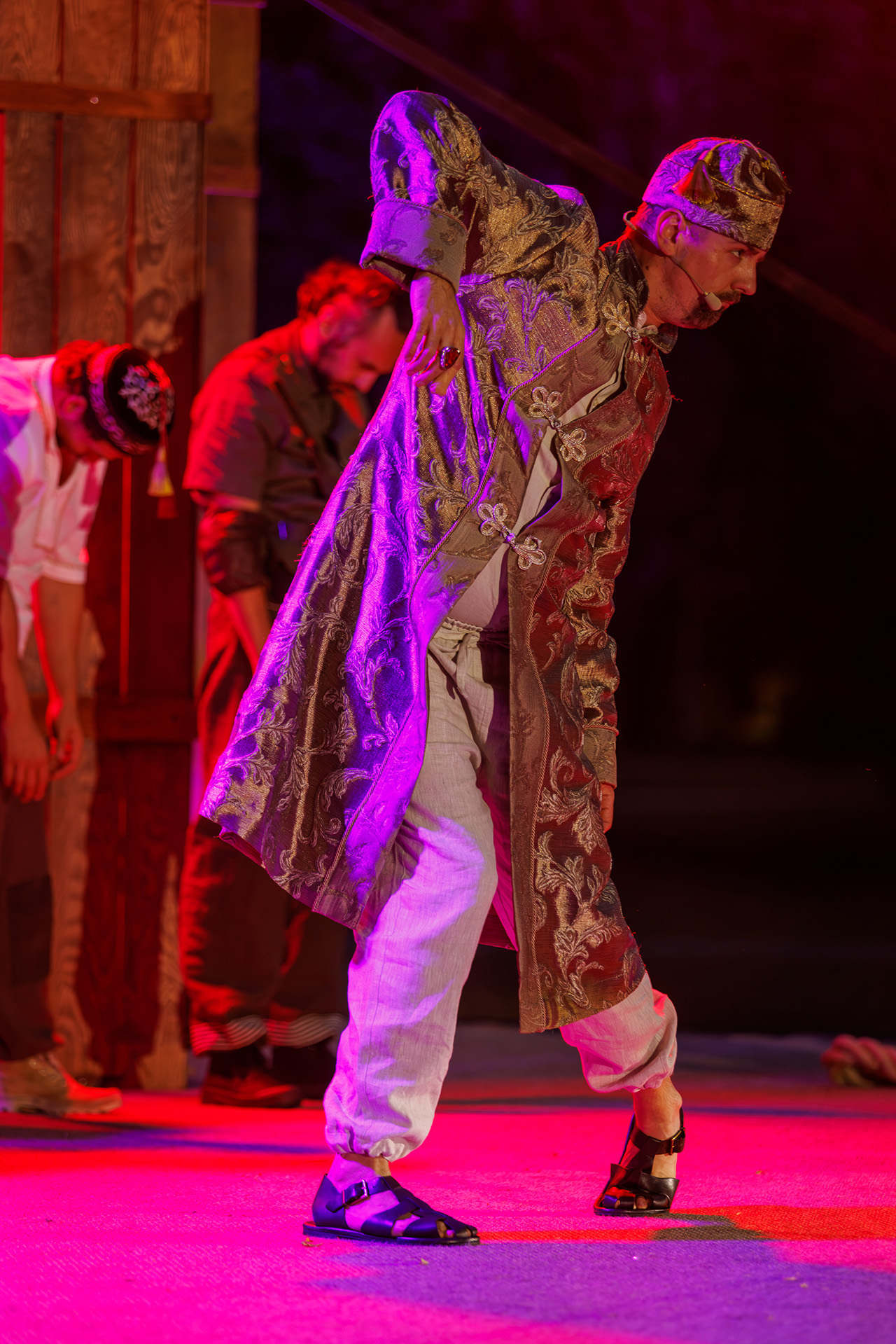
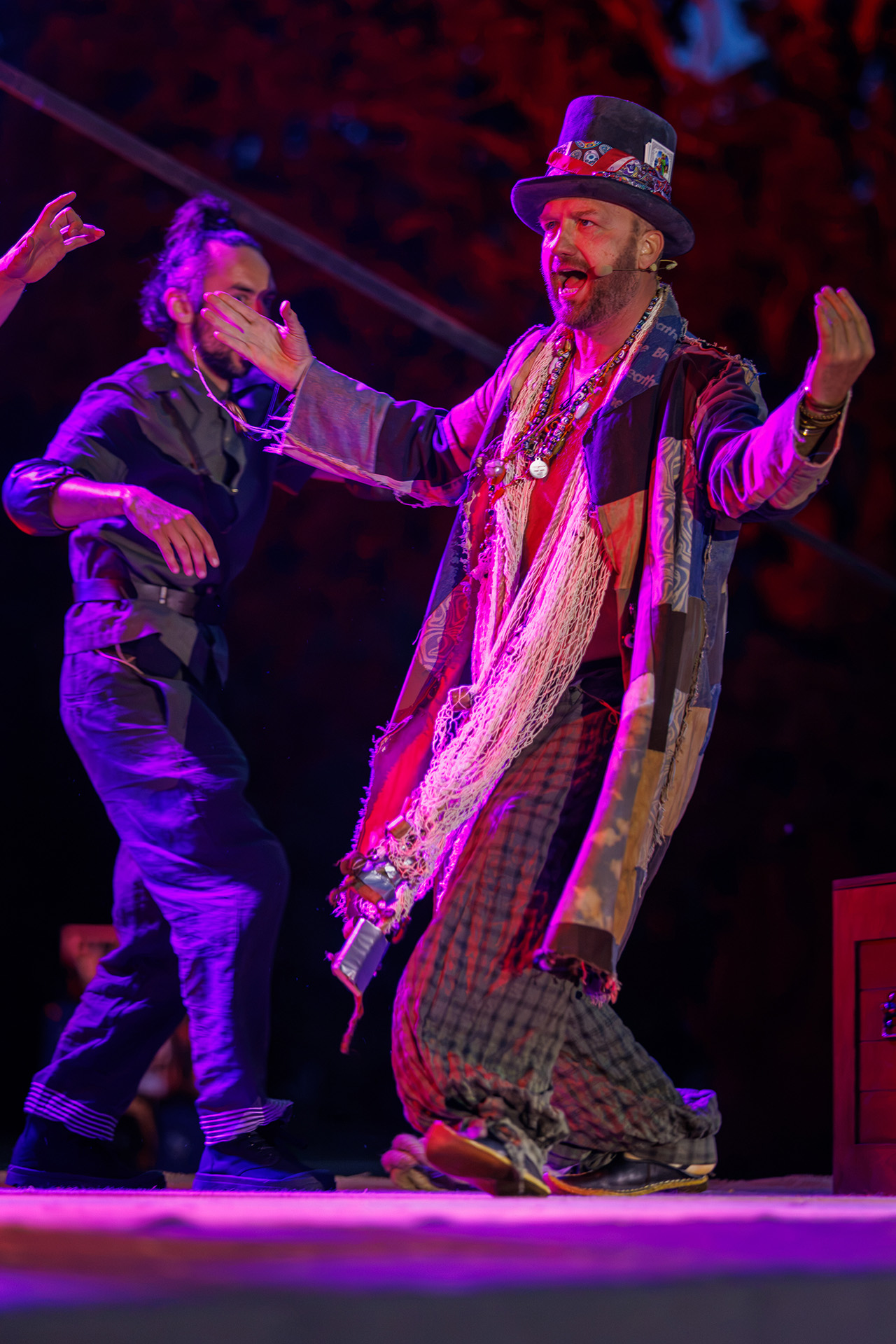
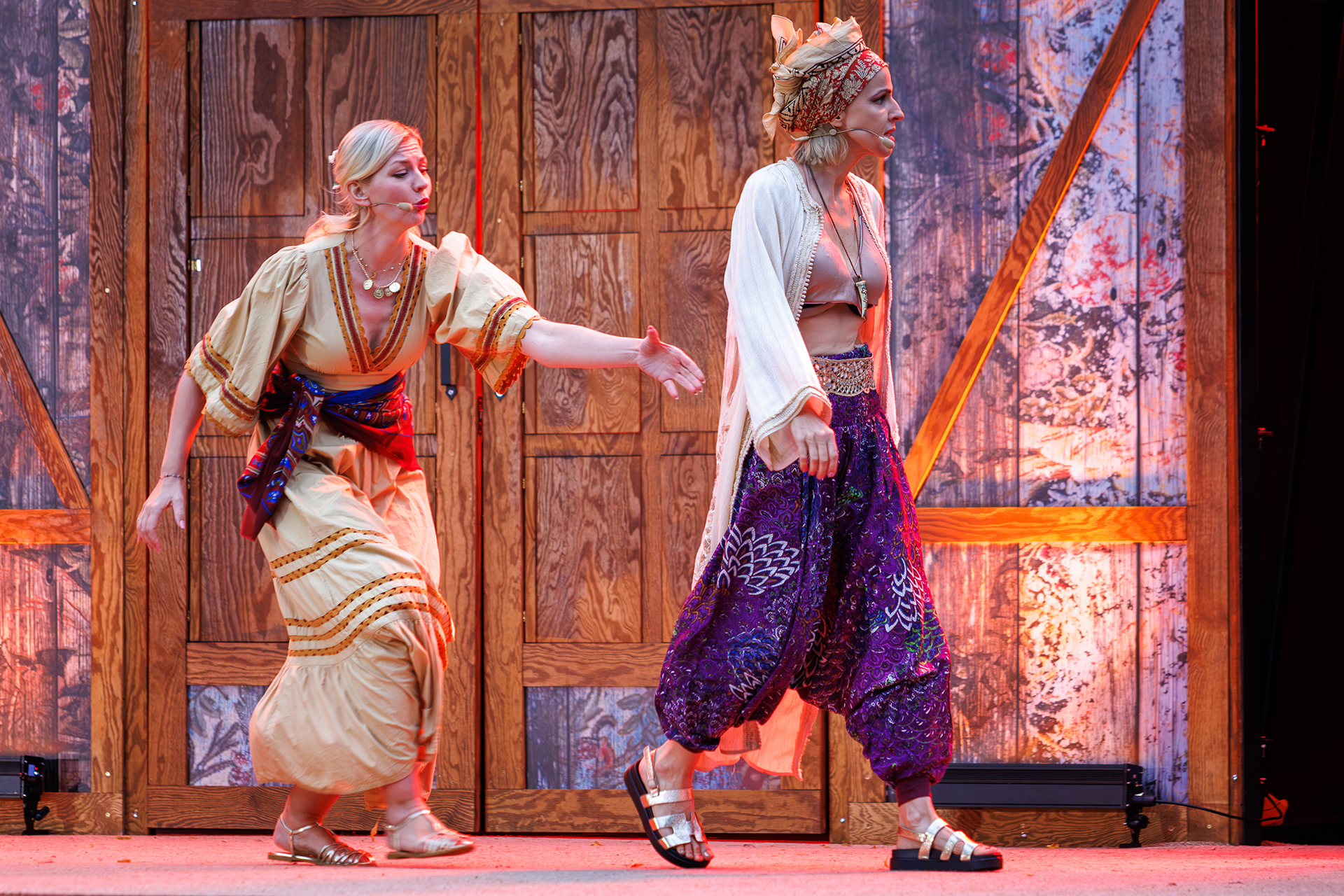
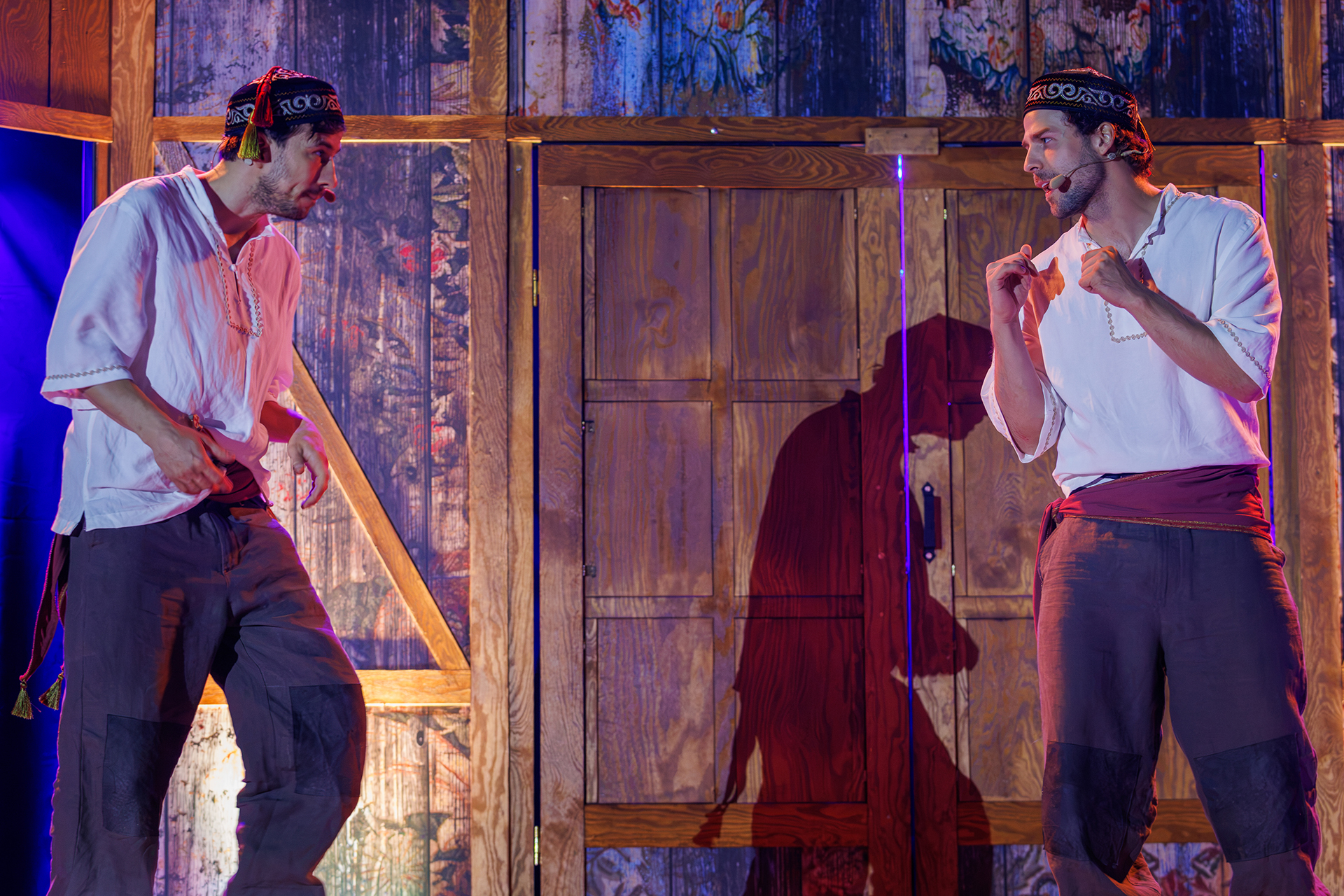
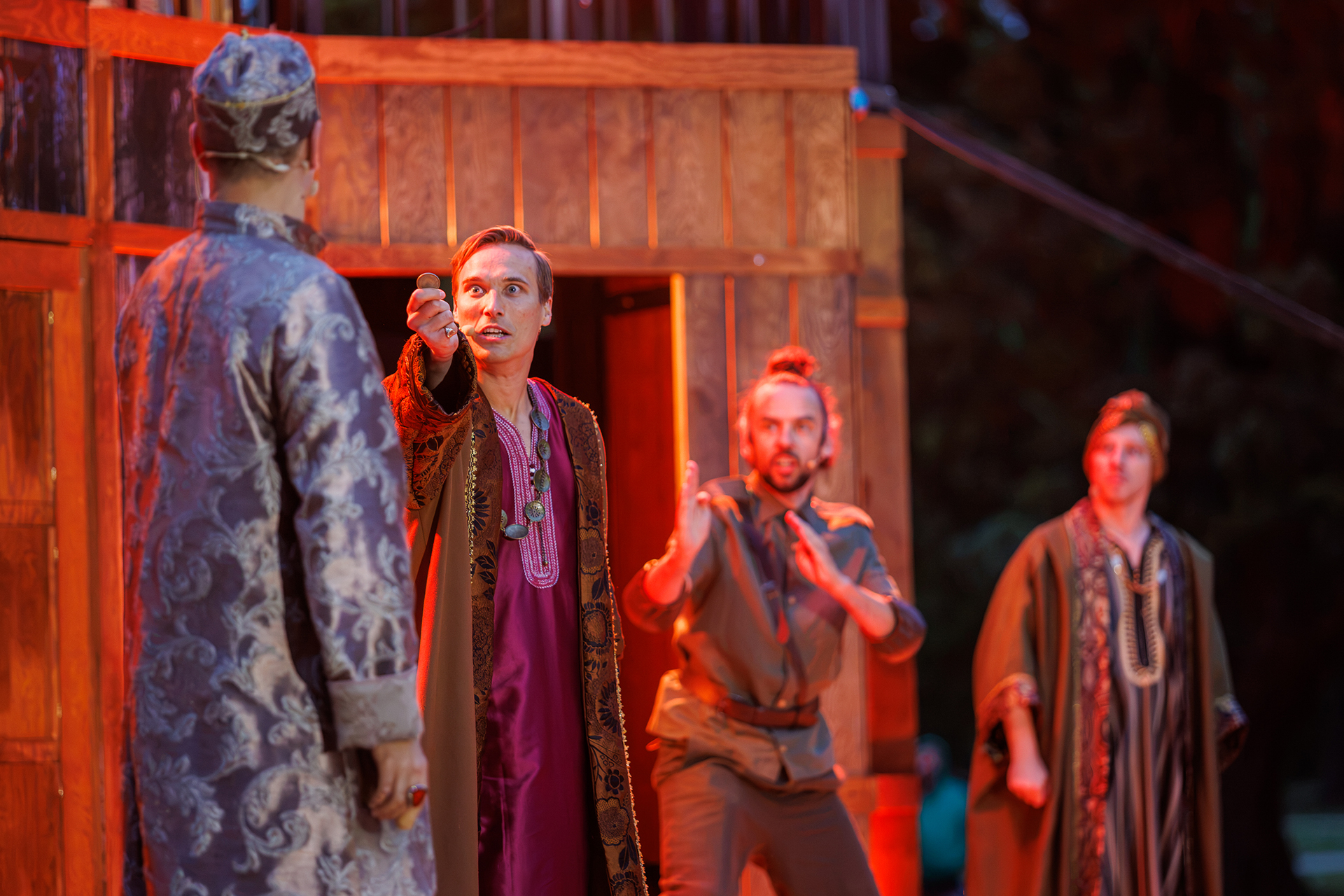
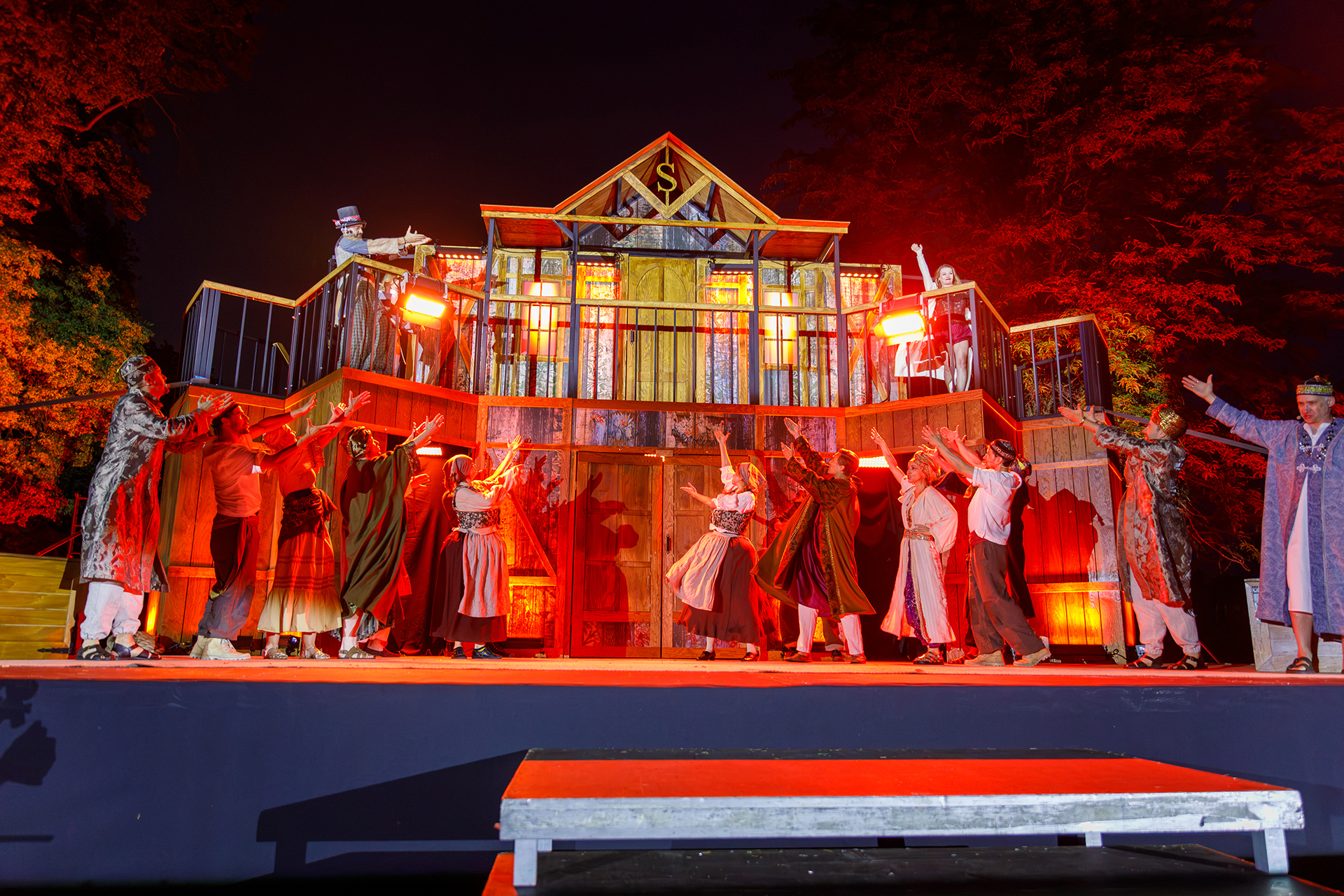
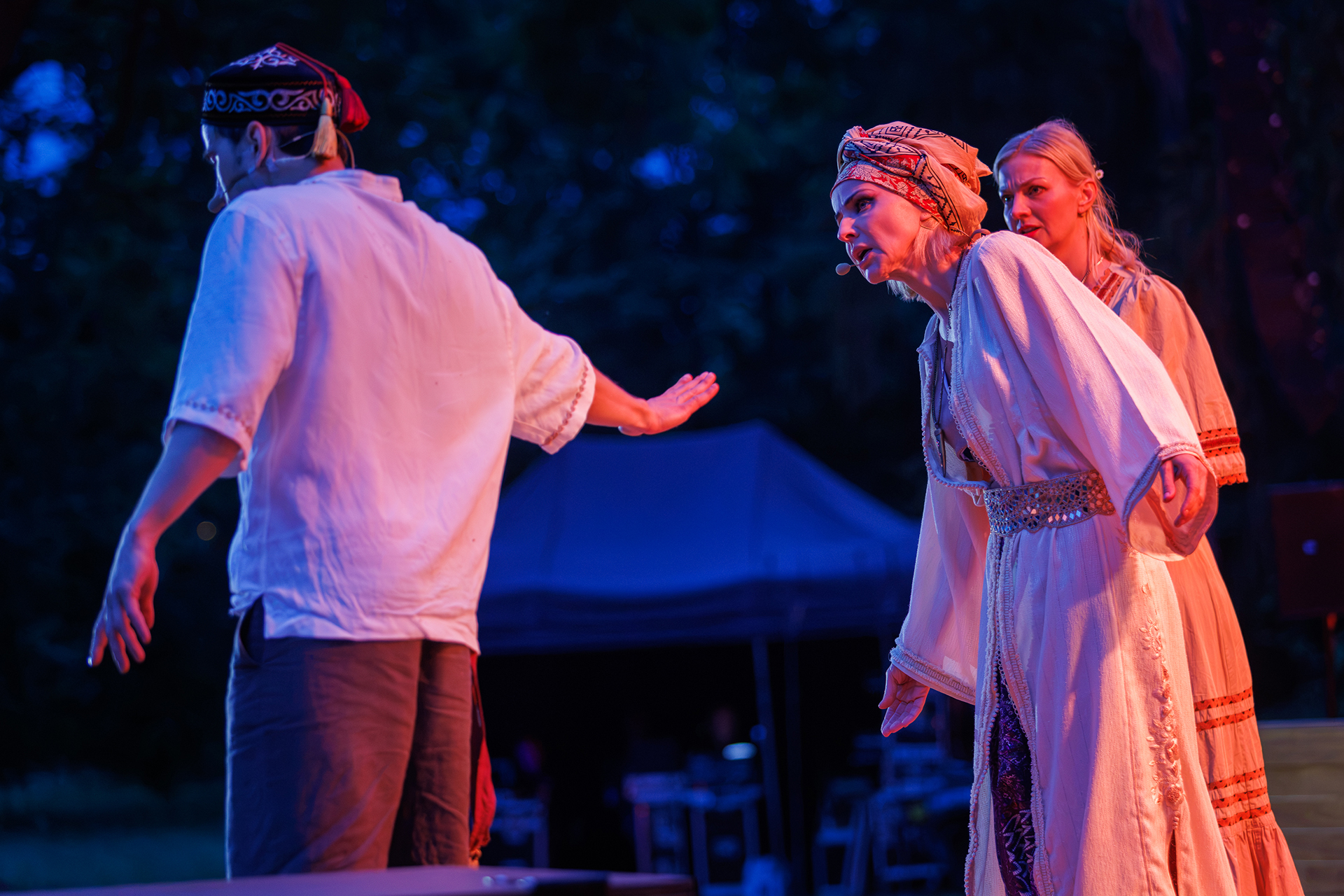
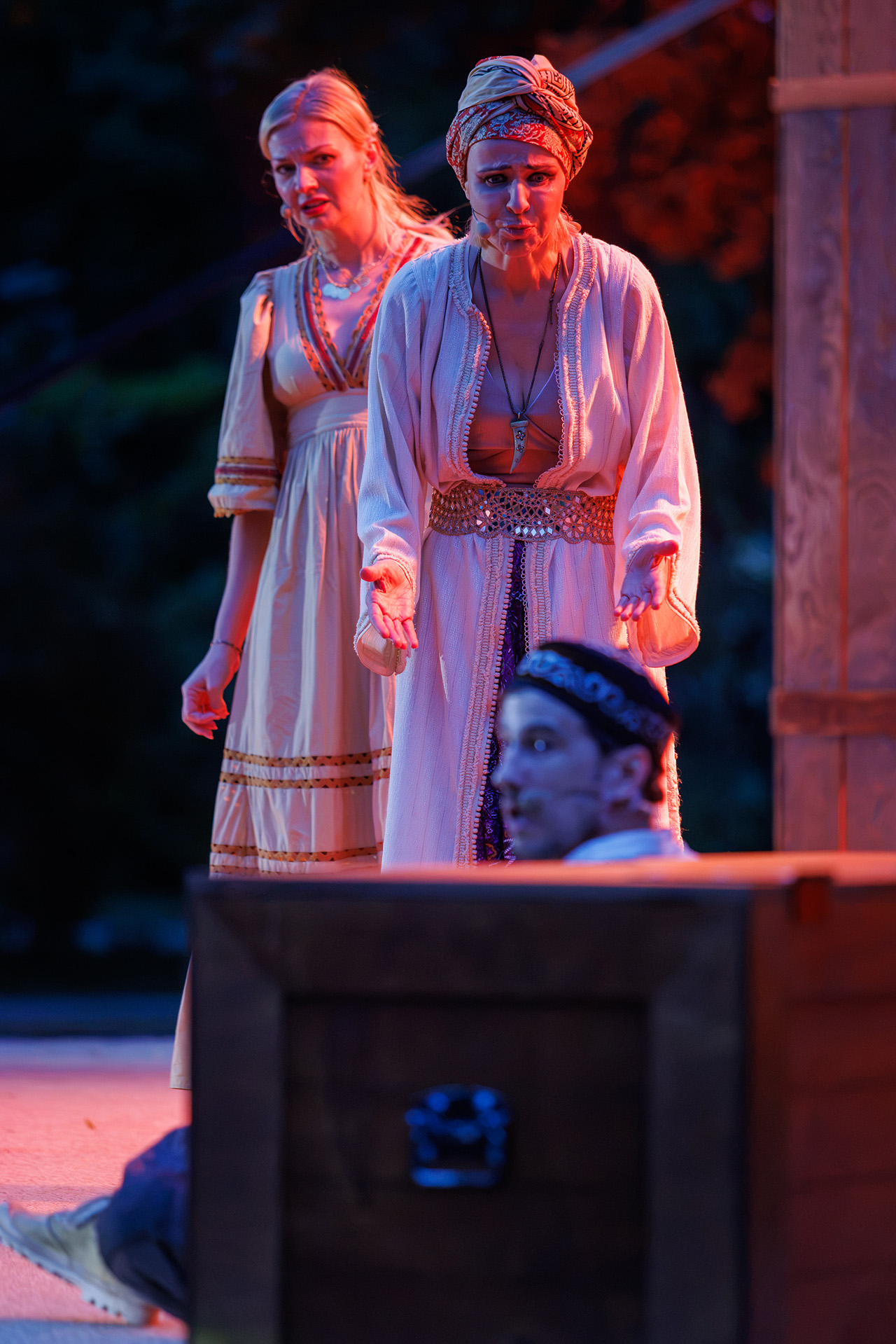
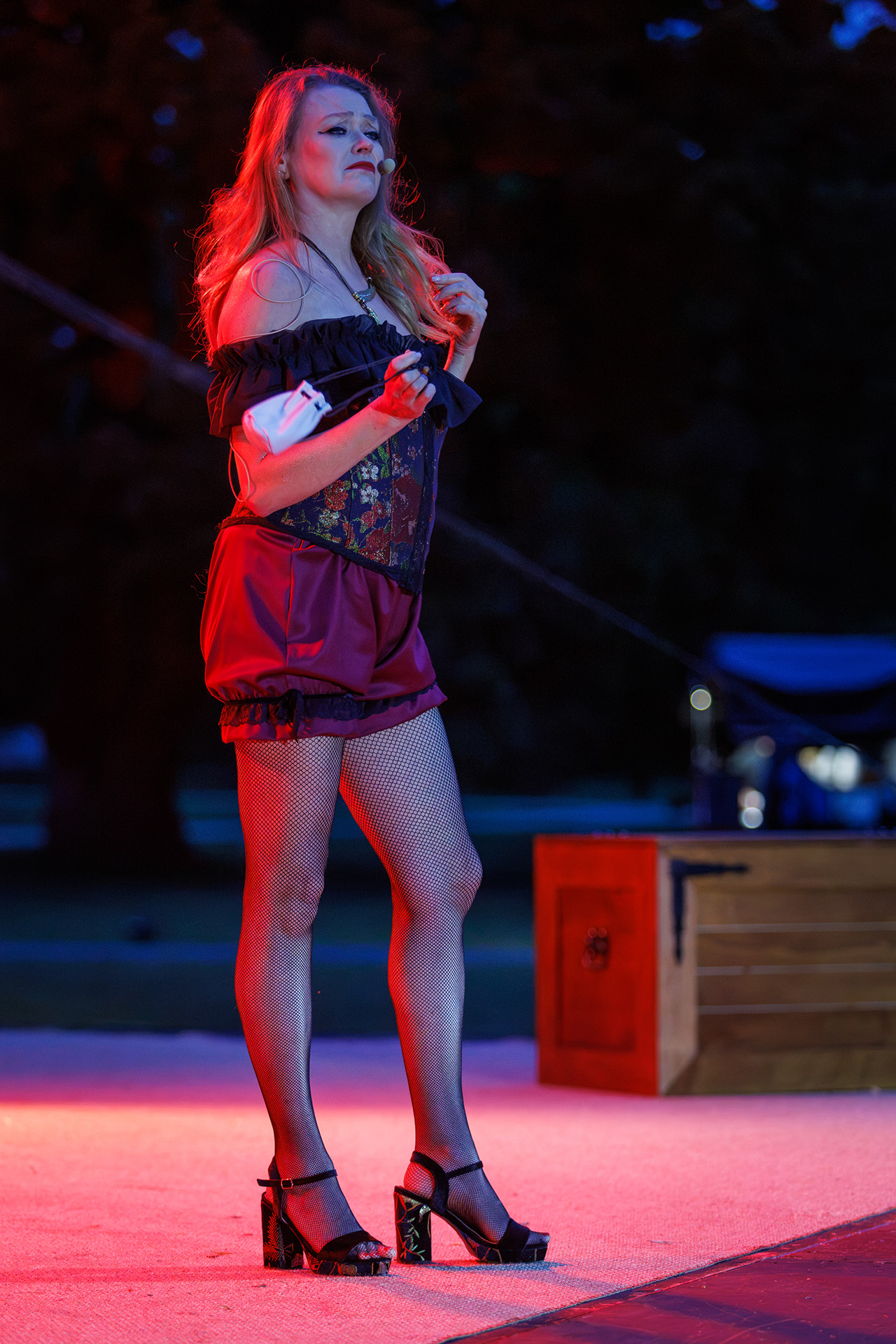
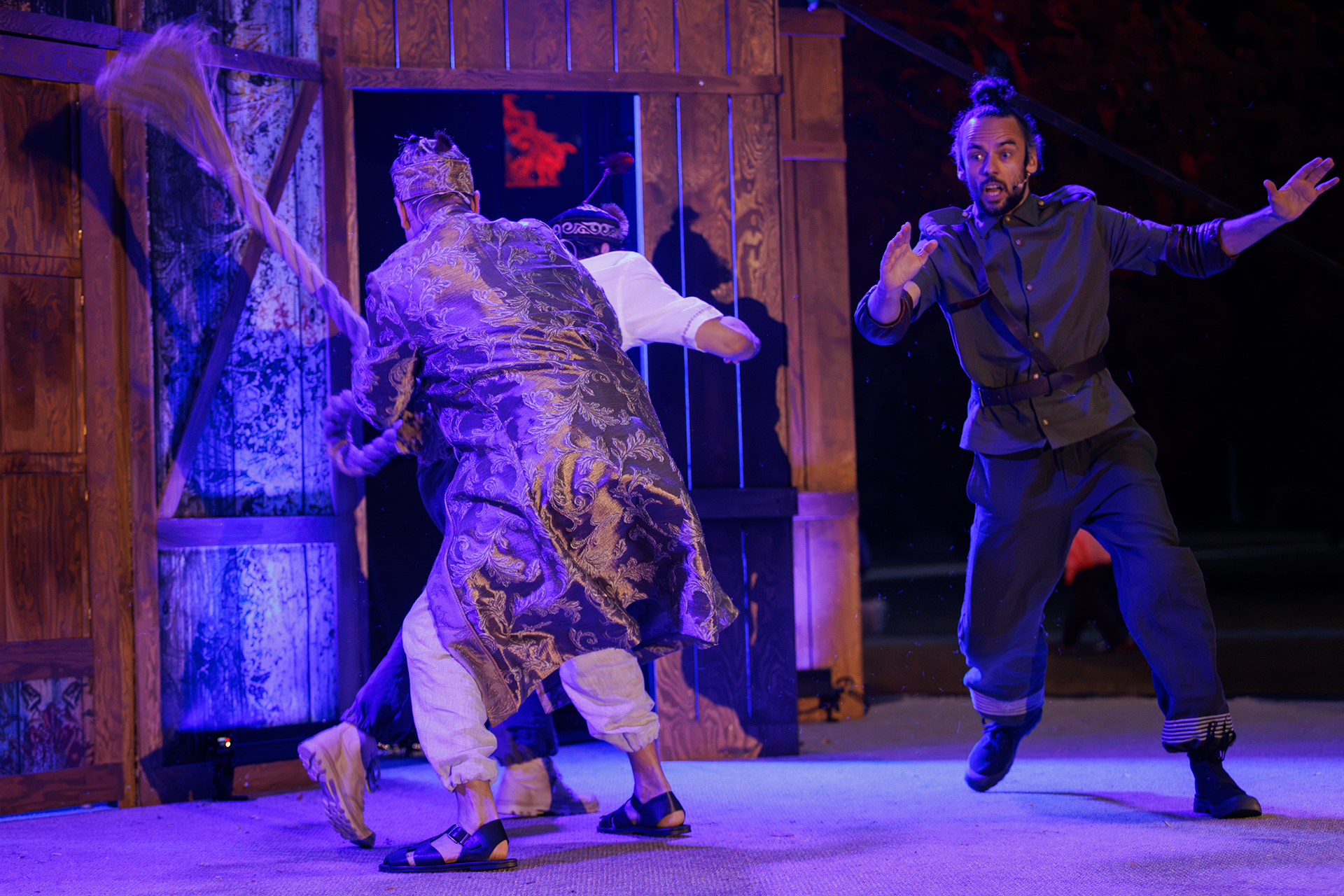
For ten years, Szekspir w Parku has celebrated Shakespeare not as a monument of the past, but as a living conversation with the present. As we mark our tenth anniversary, it seemed fitting to pair two of his most joyful comedies: The Comedy of Errors and Twelfth Night. Though separated by many years in Shakespeare’s career, they ask remarkably similar questions.
Who are we?
More importantly, how do we know?
Both plays begin with certainty. Every character believes they understand themselves and those around them. Yet within moments that certainty begins to unravel. A familiar face becomes a stranger. A stranger becomes a lover. A servant cannot distinguish his master. A brother becomes another brother. A woman becomes a man. Friends become enemies. Enemies become friends. The world itself appears to have gone mad.
The comedy lies in the confusion and the mistakes. The humanity lies in what those mistakes reveal.
We often think of identity as something permanent: a stable core that exists beneath our clothes, our professions, our families, our relationships, and our names. Shakespeare offers a far more unsettling possibility. Much of what we call identity depends upon recognition. We become who we are because others continually tell us who we are. But what happens when that recognition disappears? What happens when everyone insists that you are someone else?
In The Comedy of Errors, mistaken identity is not simply a comic device. It becomes an existential crisis. Antipholus of Syracuse knows exactly who he is—until the entire city insists he is someone different. His confidence slowly gives way to confusion, frustration, even fear. If every person you meet recognizes someone else in your face, how long before you begin to question yourself?
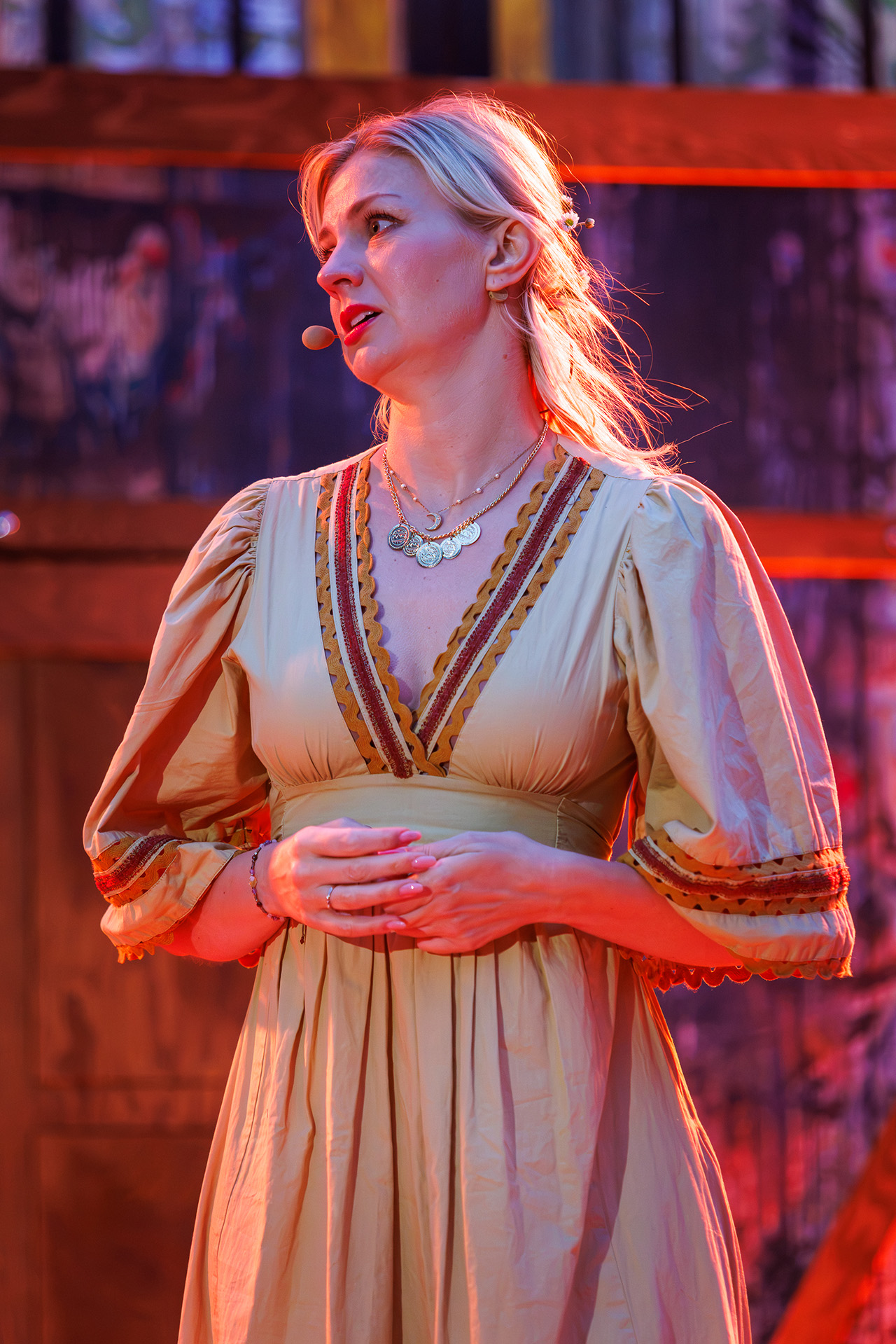
By the time Shakespeare writes Twelfth Night, the question has become even richer. Viola consciously puts on another identity to survive. Yet the disguise becomes more than clothing. Others fall in love with the person she pretends to be. She herself begins to discover parts of her own nature through the role she plays. The costume hides her identity while simultaneously revealing it.
Shakespeare understood something profoundly modern: identity is never entirely private. It is something we perform, negotiate, and discover in relation to other people. We all wear costumes. Some are made of fabric; others are made of expectation, memory, profession, family, gender, love, fear, or hope. We spend our lives moving between the person we believe ourselves to be and the person the world believes us to be.
Perhaps this is why Shakespeare’s comedies continue to feel so contemporary. They remind us that identity is not a destination but a process. We are constantly becoming.
This tenth anniversary season celebrates laughter, but beneath the laughter lies a deeper invitation. If identity can be mistaken, exchanged, hidden, or reinvented, then perhaps it can also be expanded. Perhaps the stranger we encounter is not only someone else, but another possibility of ourselves.
That is the enduring magic of Shakespeare’s theatre. The stage does not merely entertain us. It allows us to ask the oldest and most difficult question of all:
Who am I?
Season 2026


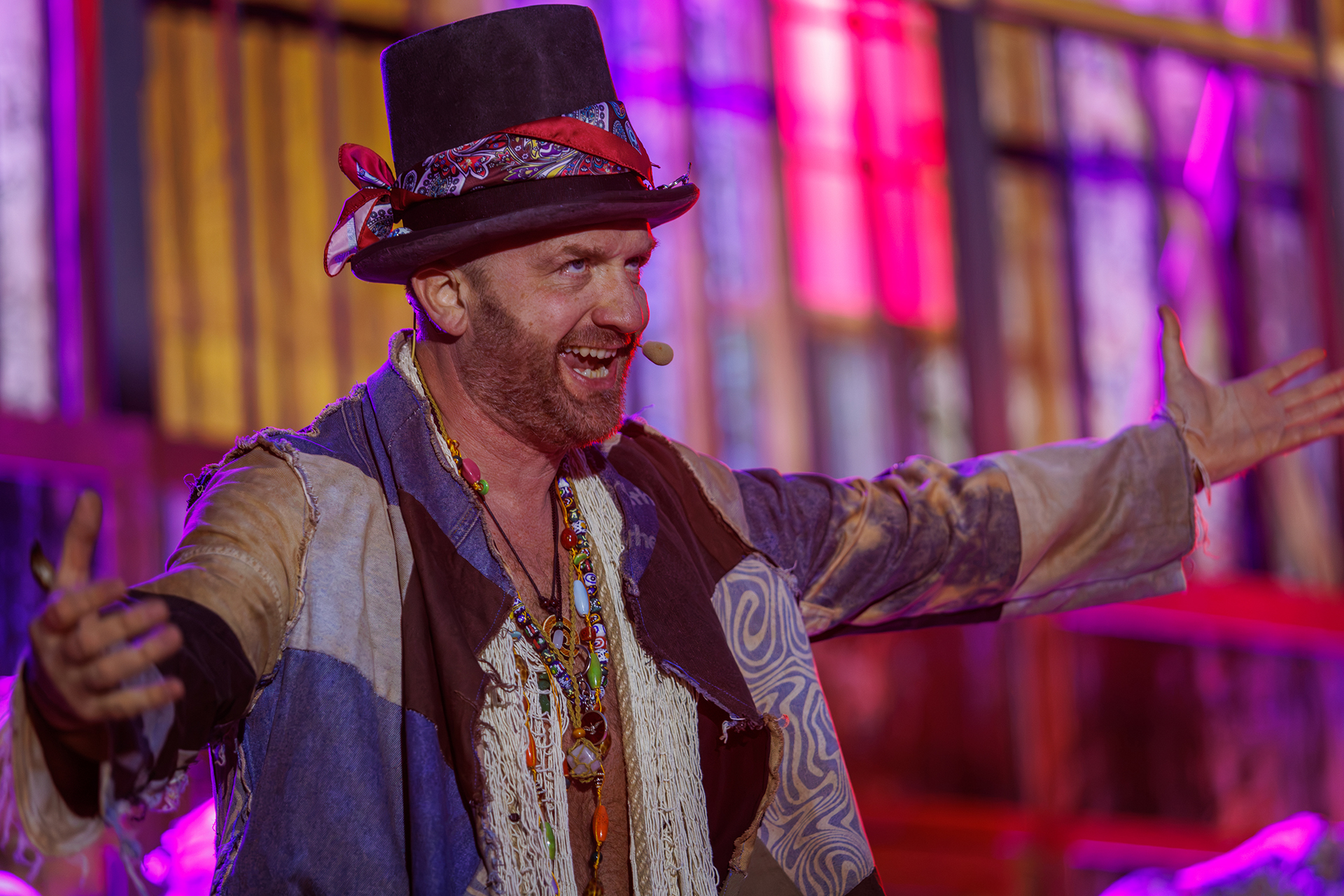
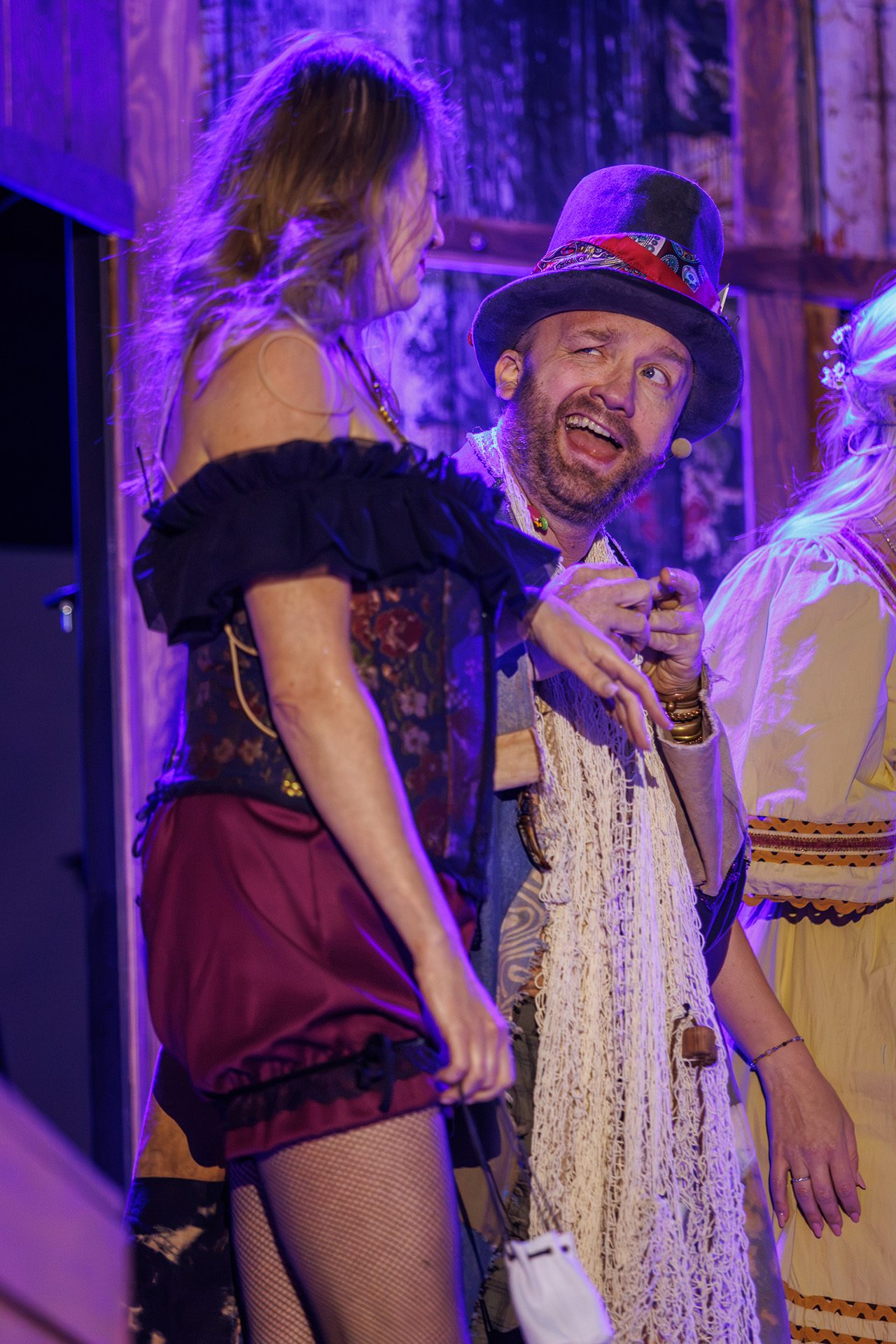
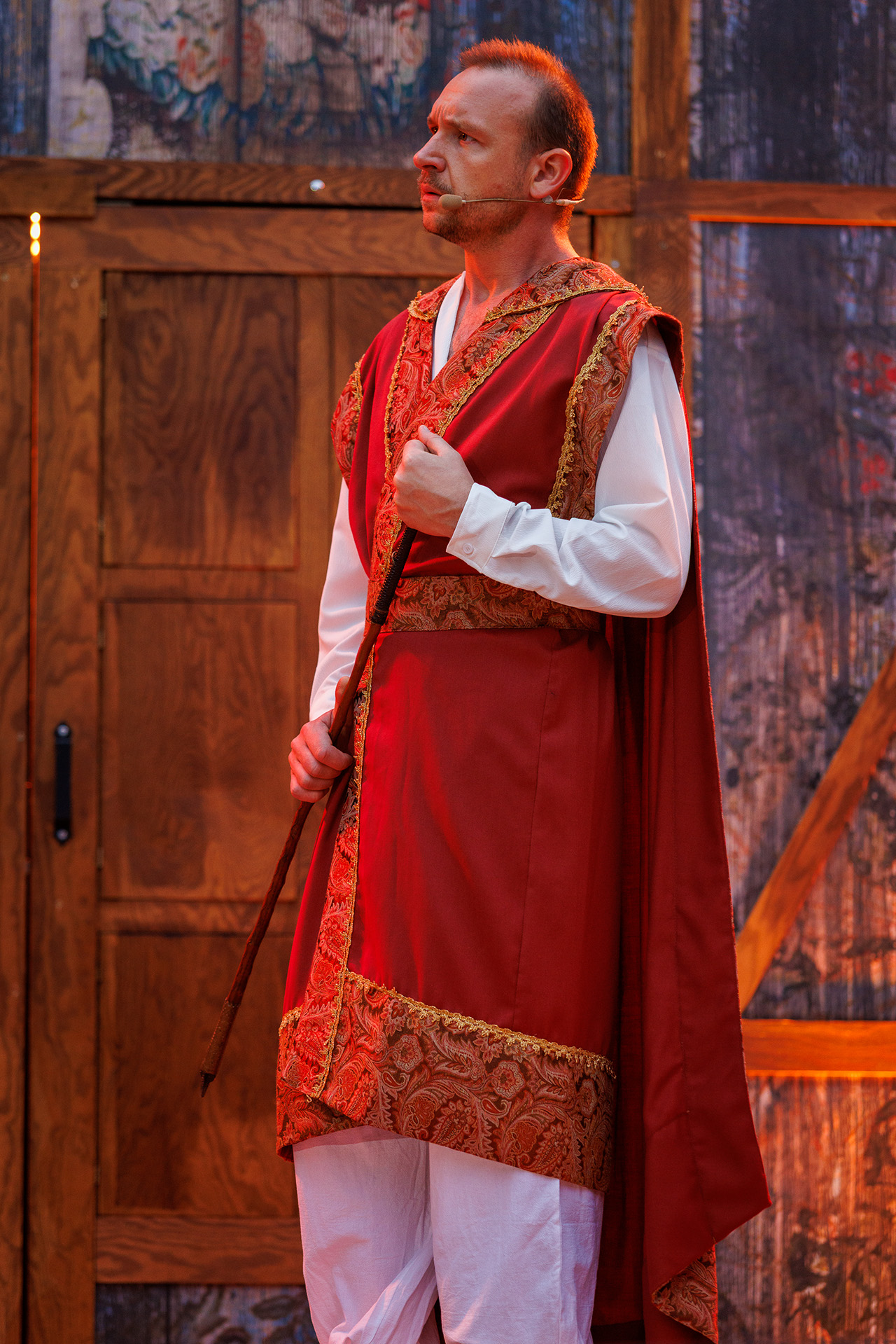
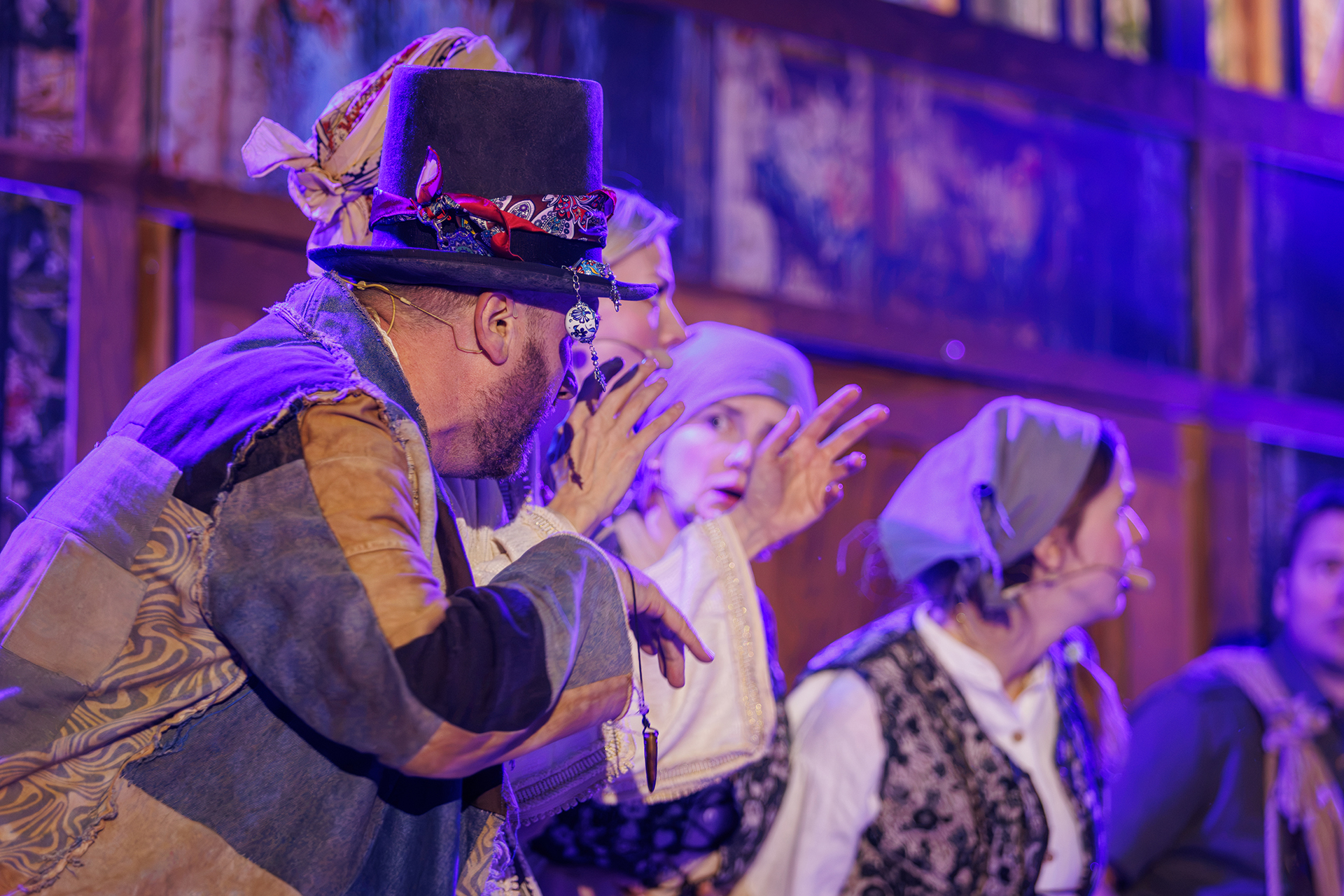
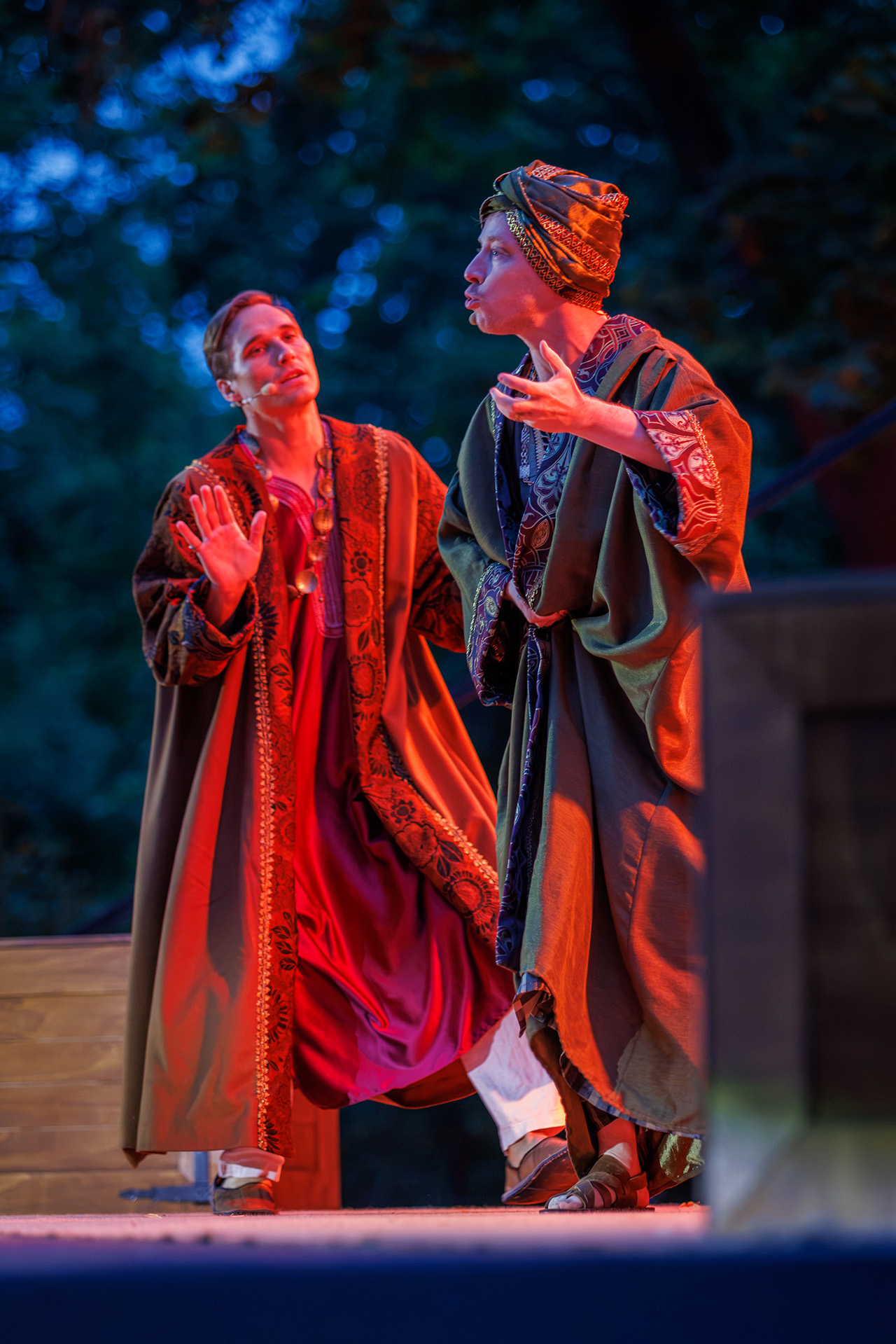
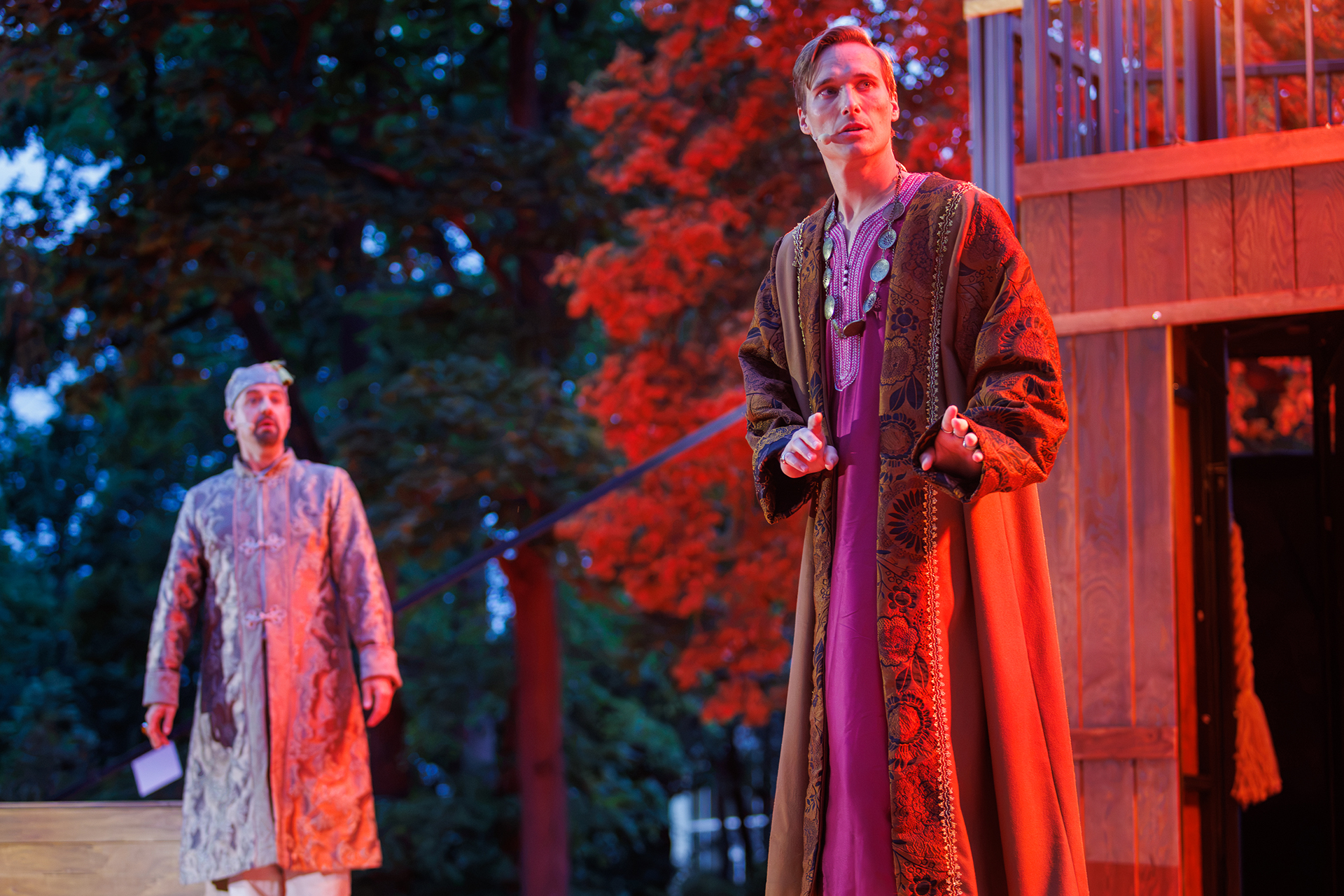
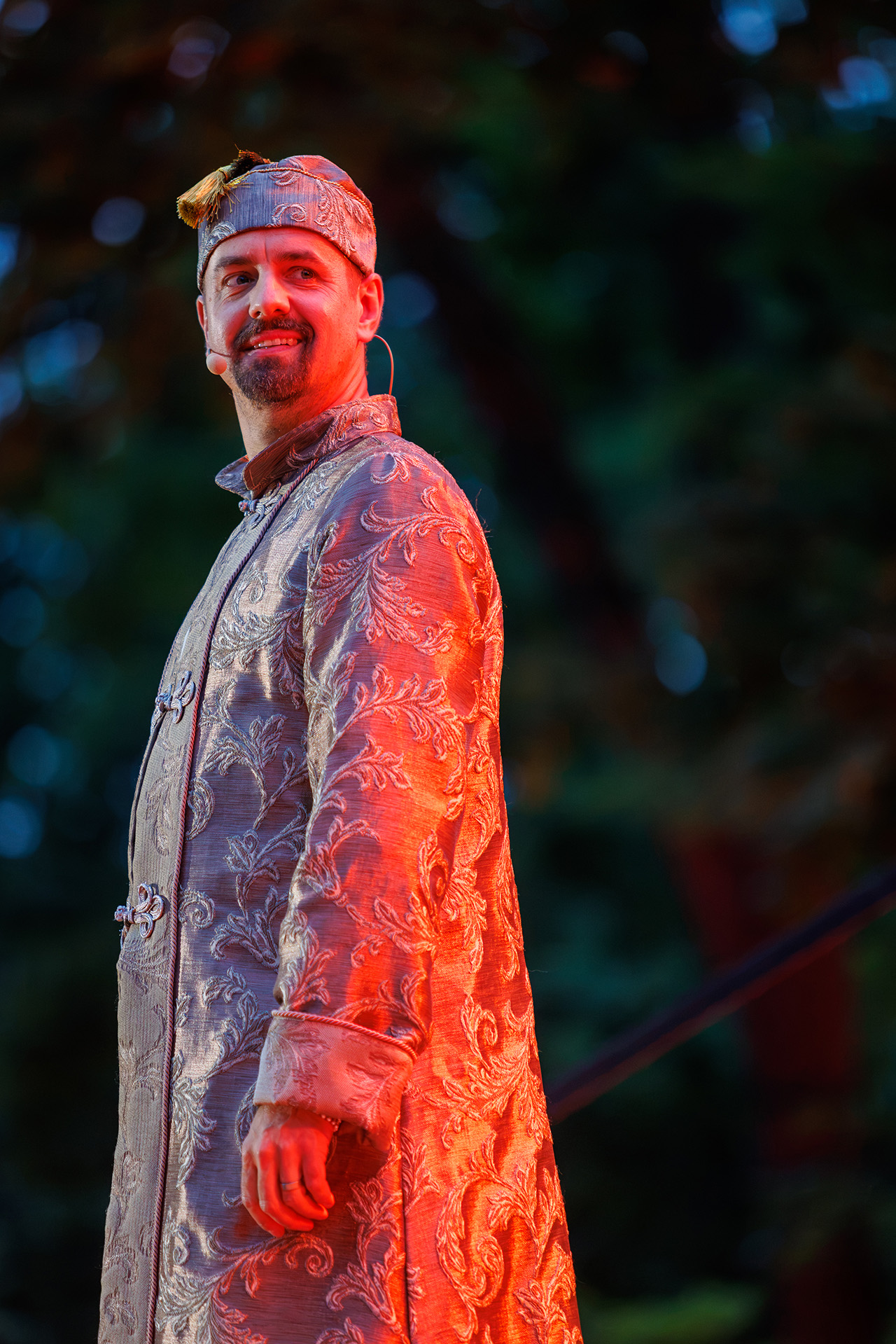
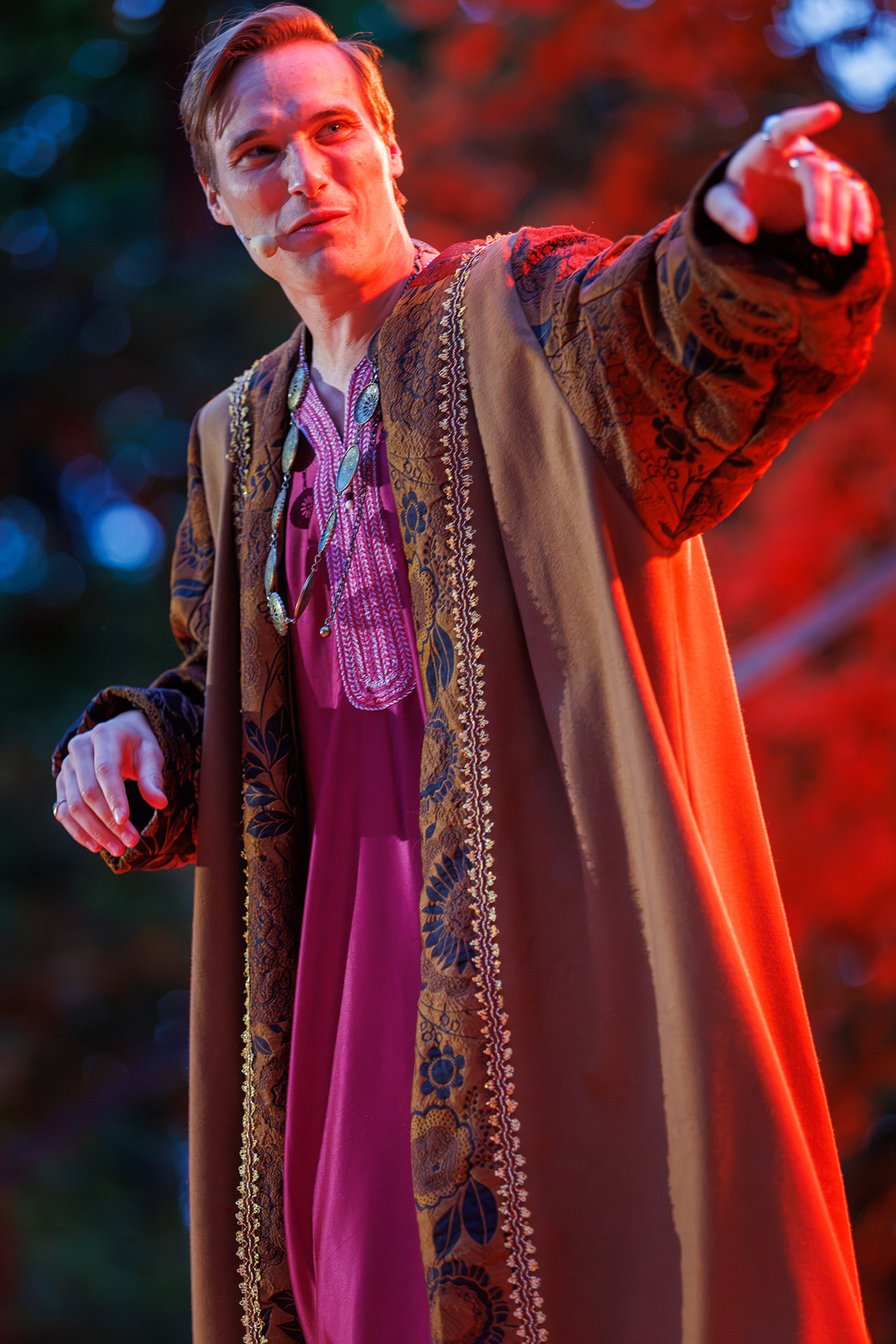
Photo Gallery

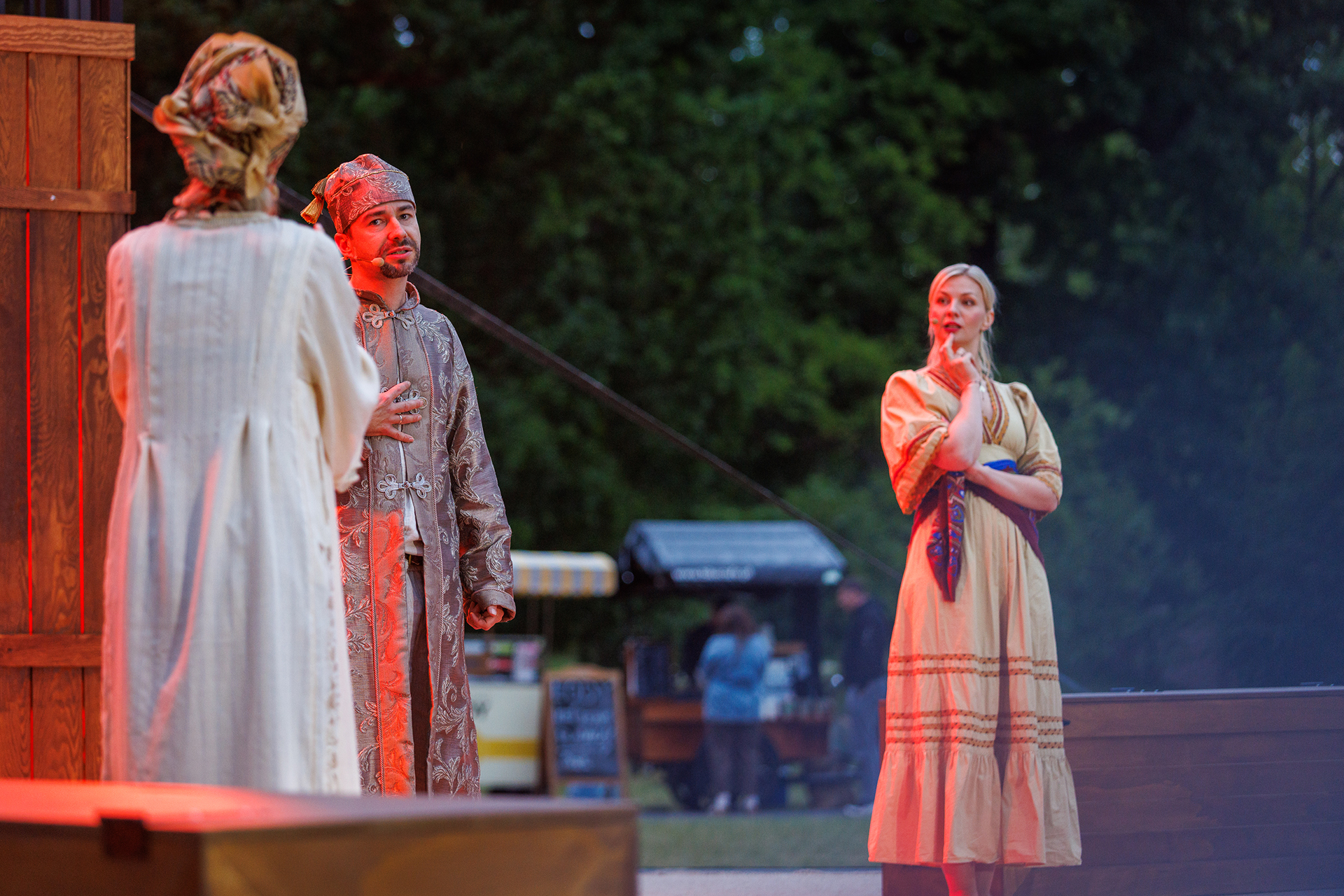
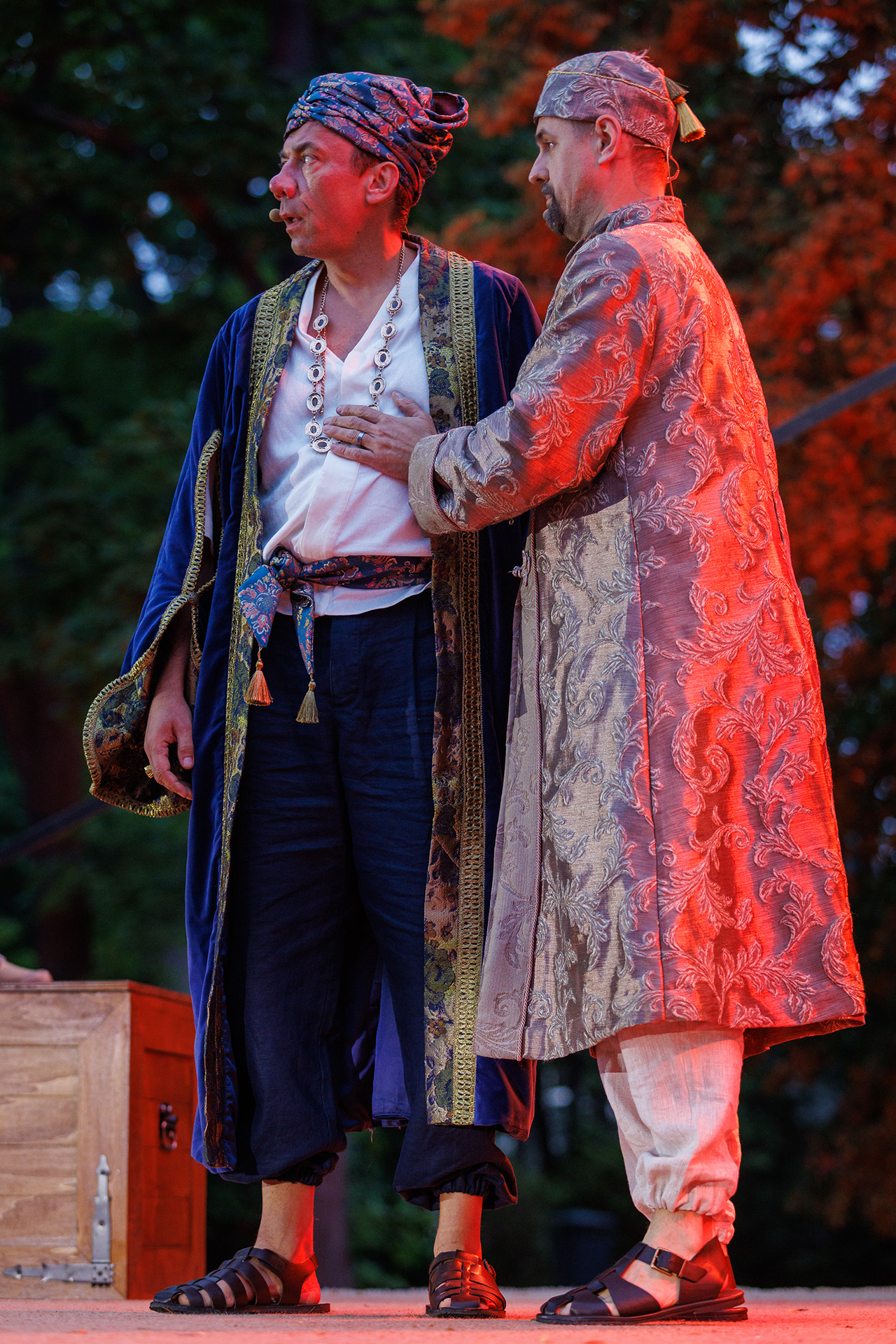
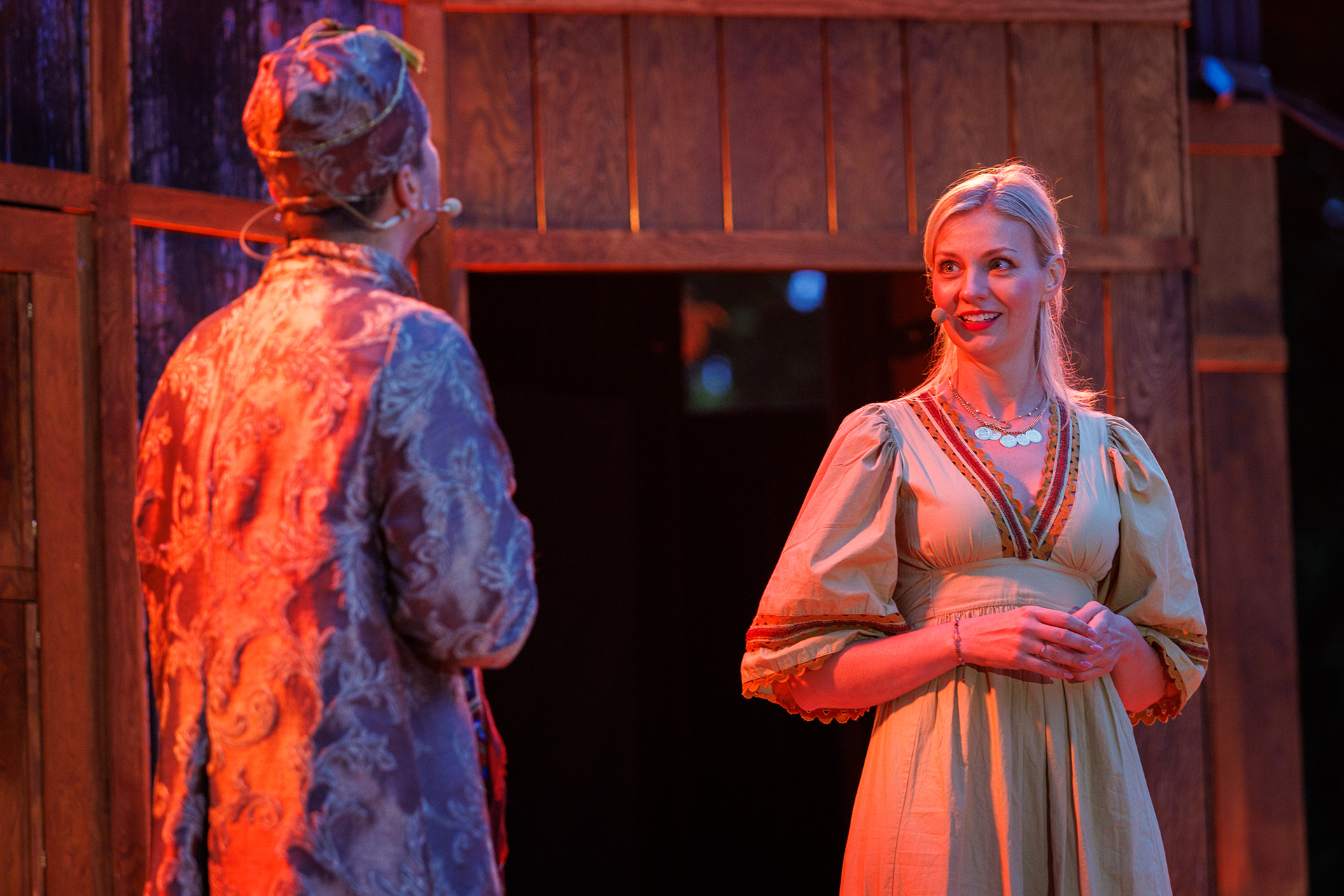
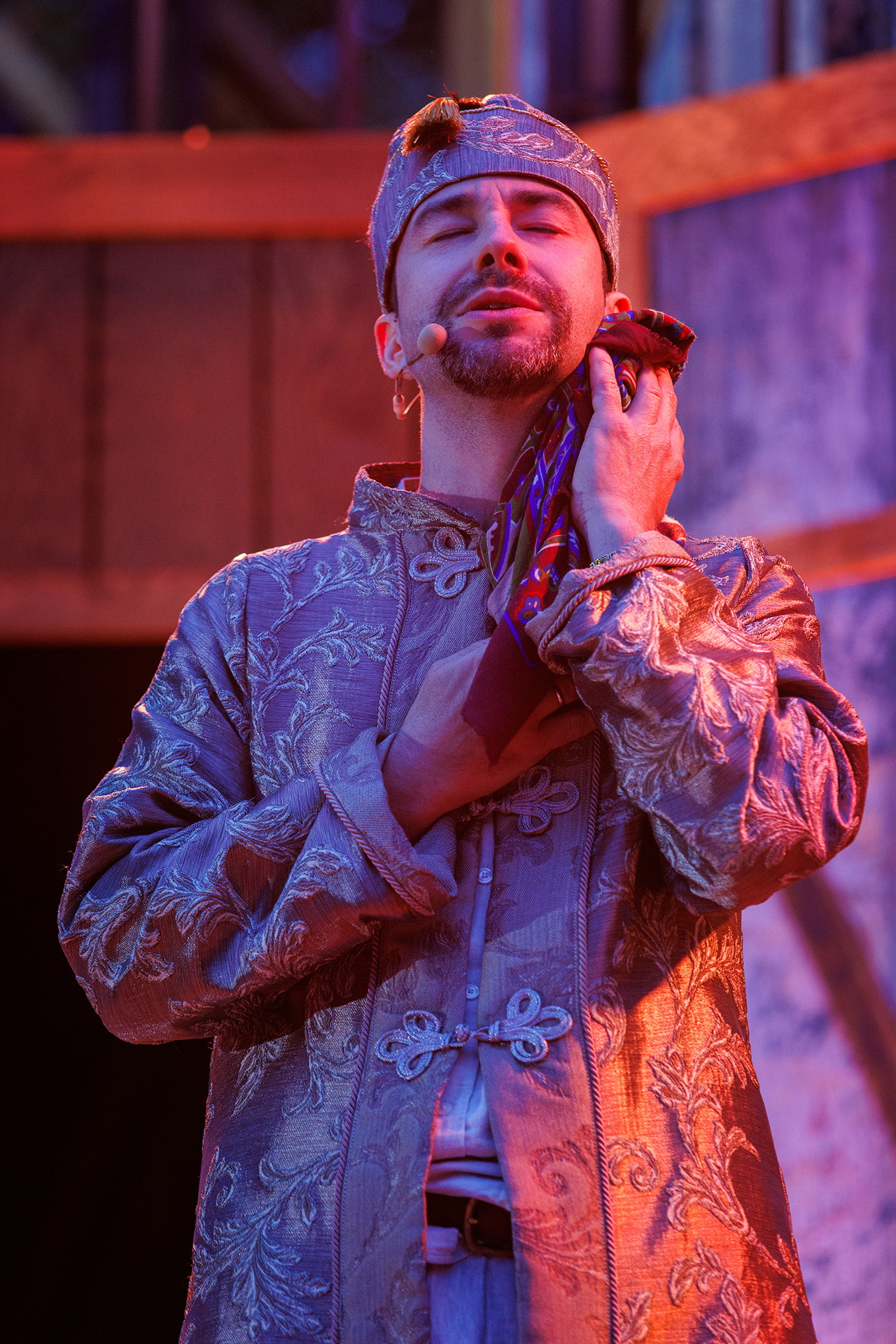

Form
The stage (pin)
Map
Sponsors







Partners







Media patrons






Honorary patronage

Follow us on Instagram


Contact
MEDIA: ania@szekspirwparku.pl
FIRST GATE THEATRE FOUNDATION
35/130 Powstańców St.
05-091 Ząbki
NIP: 5272890163
KRS: 0000781438
Newsletter
Shakespeare Newsletter!
Page links
